Pediatric Dentistry in Waltham: How Early Dental Visits Build Healthy Habits
What if a child’s dental visit could feel calm, encouraging, and easy to understand? Early experiences at the dentist can shape how children feel about oral health for years. That is why pediatric dentistry in Waltham at KoKo Dental Care focuses on comfort, prevention, and helping families build healthy routines from the beginning.
Children’s dental needs change as they grow. Baby teeth help with chewing, speech, spacing, and confidence. Meanwhile, permanent teeth develop beneath the surface. Because of this, regular pediatric dental visits give the dental team a chance to monitor growth, catch concerns early, and guide parents with practical advice.
Why Pediatric Dentistry Matters
Pediatric dentistry supports children from the first stages of oral development through the teen years. While children may seem too young for dental concerns, tooth decay can start early. In addition, habits such as thumb sucking, mouth breathing, frequent snacking, and inconsistent brushing may affect the teeth and bite over time.
Routine visits allow the dentist to check for cavities, gum health, tooth eruption, bite development, and oral hygiene habits. Just as importantly, these visits help children become familiar with the dental office. When appointments feel positive, children are more likely to see dental care as a normal part of staying healthy.
When Should Children Visit the Dentist?
Many dental professionals recommend that children begin dental visits early, often around the time the first tooth appears or by the first birthday. However, families who are past that point should not feel discouraged. The best next step is simply to schedule a visit and begin a consistent routine.
After the first appointment, most children benefit from checkups about every six months. However, some children may need more frequent visits depending on cavity risk, orthodontic development, or gum health. KoKo Dental Care can recommend a schedule based on your child’s needs.
What Happens During a Child’s Dental Visit?
A pediatric dental visit is usually gentle and educational. The team may count the teeth, check the gums, clean the teeth, and look for early signs of decay. In addition, the dentist may review brushing habits, diet, fluoride needs, and growth patterns. The visit is also a great time for parents to ask questions.
For younger children, the appointment may be shorter and focused on comfort. For older children and teens, the visit may include a more detailed cleaning, X-rays when needed, and guidance about sports mouth guards, orthodontic concerns, or wisdom teeth development. Therefore, the experience is adjusted to the child’s age and comfort level.
Helping Children Feel Comfortable
Parents can help make dental visits easier by using positive, simple language. For example, instead of describing treatment in scary terms, talk about the dentist counting teeth, making teeth shiny, and helping smiles stay strong. In addition, reading a book about dental visits or practicing opening wide at home can make the appointment feel familiar.
It also helps to avoid using the dentist as a warning or punishment. Instead, frame dental care as teamwork. The dentist, parent, and child are all working together to keep teeth healthy. At KoKo Dental Care, the goal is to help children feel relaxed, respected, and supported.
Preventive Care for Growing Smiles
Prevention is one of the biggest benefits of pediatric dentistry. Professional cleanings remove plaque that brushing may miss. Dental exams can identify early cavities before they become painful. In addition, sealants may be recommended for back teeth because they help protect the grooves where food and bacteria often collect.
Fluoride may also be discussed to help strengthen enamel. Meanwhile, parents receive guidance on snacks, drinks, brushing, and flossing. These everyday habits matter because small choices repeated over time can have a major impact on oral health.
Common Questions Parents Ask
Parents often ask whether baby teeth really matter since they eventually fall out. The answer is yes. Baby teeth hold space for permanent teeth, help children chew comfortably, and support speech development. If a baby tooth is lost too early because of decay or injury, nearby teeth may shift and create spacing concerns.
Another common question is how much toothpaste to use. Younger children usually need only a tiny smear, while older children may use a pea-sized amount. However, parents should supervise brushing until children have the coordination to clean thoroughly. In addition, flossing should begin when teeth touch.
Dental Tips for Home
Healthy routines do not need to be complicated. Brush twice daily, especially before bed. Choose water between meals whenever possible. Keep sugary snacks and drinks limited, and encourage balanced meals. In addition, replace toothbrushes regularly and after illness.
For children in sports, a mouth guard can help protect teeth from injury. For children who grind their teeth, snore, or breathe through the mouth, parents should mention those concerns at the dental visit. Sometimes small observations at home can help the dentist identify issues early.
Pediatric Dentistry in Waltham for the Whole Family
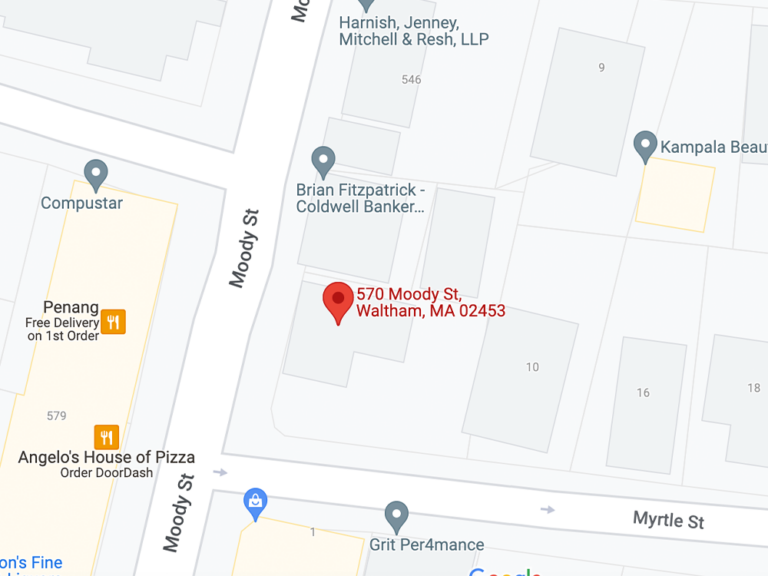
KoKo Dental Care serves families in Waltham, MA from the office at 570 Moody St #2. Because the practice offers care for children, teens, and adults, families can often manage dental care in one familiar place. This can make scheduling simpler and help children feel more comfortable over time.
In addition, a family-focused dental home allows the team to understand each child’s history, habits, and needs. As children grow, the dental team can guide them from early checkups to teen oral health concerns and beyond.
Build Healthy Habits Early
Pediatric dentistry helps children learn that dental care can be positive, preventive, and empowering. With regular visits and supportive home routines, families can help children build habits that last.
To schedule pediatric dentistry in Waltham, contact KoKo Dental Care at (781) 810-4661. Book an Appointment for your child at KoKo Dental Care today.
Dental Crowns and Bridges in Waltham: How Restorative Dentistry Protects Your Bite
When a tooth is damaged, weakened, or missing, the entire bite can feel different. Chewing may become uncomfortable, nearby teeth may take on extra pressure, and small problems can turn into larger ones. That is why dental crowns and bridges in Waltham are such important restorative dentistry options at KoKo Dental Care.
Crowns and bridges are designed to bring strength, shape, and function back to the smile. In addition, they can be made to blend naturally with surrounding teeth. Whether you have a cracked tooth, a large cavity, or a gap from a missing tooth, these restorations may help protect your oral health while supporting a more comfortable bite.
What Is a Dental Crown?
A dental crown is a custom restoration that covers the visible portion of a tooth. It is often recommended when a tooth is too damaged for a filling alone. For example, a crown may be used after a large cavity, a fracture, significant wear, or root canal treatment. Because the crown surrounds the tooth, it helps protect the remaining structure.
Crowns are shaped to match your bite and smile. Therefore, they should feel comfortable when you chew and look natural when you speak. The goal is not just to cover the tooth, but to restore reliable function.
What Is a Dental Bridge?
A dental bridge replaces one or more missing teeth. Traditional bridges use crowns on the neighboring teeth to hold a replacement tooth in place. Once secured, the bridge fills the empty space and helps restore chewing ability. In addition, a bridge can help prevent nearby teeth from drifting into the gap.
Bridges may be a good option for patients who want a fixed restoration but are not choosing an implant at this time. However, the best choice depends on tooth position, gum health, bone support, and personal goals. During an exam, KoKo Dental Care can explain whether a bridge, implant, denture, or another solution is most appropriate.
When Might You Need a Crown?
A crown may be recommended for several reasons. If a tooth has a large filling, there may not be enough natural structure left to support chewing forces. Similarly, a cracked tooth may need coverage to help prevent the crack from spreading. After root canal treatment, a back tooth often needs a crown because it must withstand strong biting pressure.
In addition, crowns can improve the shape of a worn or misshapen tooth. Although crowns can improve appearance, they are usually recommended when protection and strength are also needed. That balance makes crowns one of the most common restorative dentistry tools.
When Might You Need a Bridge?
A bridge may be considered when a missing tooth is affecting chewing, speech, or tooth spacing. Even one missing tooth can create changes. Nearby teeth may tilt, opposing teeth may shift, and food may collect in the open space. Over time, these changes can make oral hygiene more difficult.
By replacing the missing tooth, a bridge helps distribute chewing pressure more evenly. In addition, it can restore the look of a complete smile. For many patients, a bridge offers a practical solution that stays in place and does not need to be removed at night.
What to Expect During Treatment
The process for dental crowns and bridges usually takes more than one visit. First, the tooth or teeth are prepared, and impressions or scans are taken. These details guide the creation of a custom restoration. A temporary crown or bridge may be placed while the final restoration is made.
At the second visit, the final crown or bridge is checked for fit, bite, and appearance. Adjustments may be made so the restoration feels comfortable. Then, it is cemented in place. Afterward, the team will explain how to care for the restoration at home.
Benefits of Crowns and Bridges
Crowns and bridges can offer several benefits. They help restore chewing comfort, protect weakened teeth, replace missing teeth, and improve bite stability. In addition, they can support clear speech when missing teeth affect pronunciation. Because they are custom-made, they can also blend with the shade and shape of nearby teeth.
From an oral health perspective, crowns can reduce the risk of further tooth breakdown when used appropriately. Meanwhile, bridges can help maintain spacing after tooth loss. With routine dental checkups, the dentist can monitor the restoration and the supporting teeth.
How to Care for Crowns and Bridges
Daily care is essential. Brush twice a day, floss carefully, and keep professional cleanings on schedule. For bridges, cleaning under the replacement tooth is especially important. A floss threader, interdental brush, or water flosser may be recommended to help remove plaque from hard-to-reach areas.
In addition, avoid using teeth as tools to open packages or bite hard objects. Although crowns and bridges are strong, they can still chip or loosen under extreme force. If you grind or clench your teeth, a night guard may help protect the restoration.
Choosing Restorative Dentistry in Waltham
Restorative dentistry works best when it is personalized. At KoKo Dental Care in Waltham, the team evaluates the tooth, gums, bite, and long-term goals before recommending treatment. This matters because a restoration should look natural, feel comfortable, and support future oral health.
In addition, a local dental team can provide follow-up care if the bite needs adjusting or if questions come up after treatment. Since KoKo Dental Care is located at 570 Moody St #2, patients in Waltham and nearby areas can access restorative care close to home.
Restore Comfort and Confidence
Dental crowns and bridges can help protect damaged teeth, replace missing teeth, and bring balance back to your bite. If you are dealing with a weakened tooth or an empty space, a restorative consultation can help you understand your options.
Contact KoKo Dental Care at (781) 810-4661 to Schedule a Consultation for dental crowns and bridges in Waltham, MA.
Emergency Dentistry in Waltham: What Counts as a Dental Emergency?
Dental pain rarely waits for a convenient moment. A cracked tooth, sudden swelling, or knocked-out tooth can turn an ordinary day into a stressful one quickly. When that happens, knowing when to seek emergency dentistry in Waltham can help you act with confidence instead of panic.
KoKo Dental Care offers emergency dentistry for urgent dental issues that need prompt attention. Because some symptoms can signal a serious infection or injury, it is important to contact a dental office as soon as possible. In addition, fast care may help relieve discomfort, protect the tooth, and prevent the problem from getting worse.
What Is a Dental Emergency?
A dental emergency is any oral health problem that needs timely care to relieve pain, stop bleeding, treat infection, or save a tooth. However, not every dental concern requires the same level of urgency. A small chip with no pain may be less urgent than severe swelling or a knocked-out tooth. Still, when in doubt, calling the dental office is a smart step.
Common dental emergencies include intense toothaches, broken teeth, lost crowns, dental abscesses, injuries to the gums or lips, and teeth that have been loosened or knocked out. In addition, pain while biting or sudden sensitivity can sometimes point to a cracked tooth. Since symptoms can overlap, a professional evaluation helps identify the cause.
Tooth Pain That Should Not Be Ignored
A mild toothache may come and go, but severe or persistent pain should be taken seriously. Pain can develop when decay reaches deeper layers of the tooth, when a crack exposes sensitive tissue, or when infection forms near the root. Meanwhile, swelling, fever, or a bad taste in the mouth may suggest infection and should be addressed quickly.
If you have tooth pain, avoid placing aspirin directly on the gums, since it can irritate the tissue. Instead, gently rinse with warm water and call the dental office. If swelling is present, a cold compress may help on the outside of the cheek. However, dental treatment is still needed to resolve the underlying issue.
What to Do for a Knocked-Out Tooth
A knocked-out adult tooth is one of the most time-sensitive dental emergencies. First, find the tooth and handle it by the crown, not the root. If it is dirty, gently rinse it with water without scrubbing. Then, try to place it back in the socket if possible. If that is not comfortable, keep it moist in milk or saliva and contact the dental office immediately.
Fast action matters because the tooth has the best chance when treated quickly. However, do not try to reinsert a baby tooth, since doing so may affect the developing permanent tooth. For children, call the dentist right away for guidance.
Broken, Chipped, or Cracked Teeth
A broken tooth can range from a small cosmetic chip to a deep fracture. If the tooth is painful, sharp, or bleeding, emergency dentistry may be needed. Save any broken pieces if you can, rinse gently, and avoid chewing on that side. In addition, covering a sharp edge with dental wax can help protect the tongue or cheek until you are seen.
Cracks are sometimes difficult to see, but they may cause pain when biting or releasing pressure. Because cracks can worsen over time, it is best to have the tooth evaluated. Depending on the damage, treatment may include bonding, a crown, root canal treatment, or another restorative option.
Swelling, Abscesses, and Infection Signs
Swelling in the gums, jaw, or face can signal infection. A dental abscess may cause throbbing pain, tenderness, fever, or a small bump on the gums. Although symptoms may temporarily improve if an abscess drains, the infection still needs treatment. Therefore, prompt dental care is important.
If swelling affects breathing, swallowing, or the eye area, seek emergency medical care immediately. Otherwise, contact KoKo Dental Care for urgent dental guidance. Treating the cause can help relieve discomfort and reduce the risk of spreading infection.
Lost Fillings, Crowns, or Bridges
A lost filling or crown may not always cause severe pain, but it can leave the tooth vulnerable. The exposed tooth may become sensitive to air, temperature, or pressure. In addition, chewing on the area can cause more damage. If a crown comes off, keep it in a safe place and bring it to your appointment.
Temporary dental cement from a pharmacy may help protect the tooth for a short time, but it is not a permanent solution. Because the tooth may need cleaning, repair, or replacement of the restoration, scheduling care quickly is best.
How Emergency Dentistry Helps
Emergency dentistry focuses on diagnosing the problem, relieving discomfort, and protecting oral health. The first visit may include an exam, X-rays, and immediate treatment when possible. Sometimes the goal is to stabilize the tooth and plan follow-up care. However, when treatment can be completed right away, the team will explain your options.
Benefits of prompt emergency dental care include pain relief, infection control, reduced risk of tooth loss, and prevention of further damage. In addition, patients often feel calmer once they understand what is happening and what can be done.
Emergency Dental Care in Waltham
KoKo Dental Care is located at 570 Moody St #2 in Waltham, MA, making emergency dental care accessible for patients in the area. If you are dealing with sudden pain, an injury, or swelling, calling the office is the safest next step. The team can help determine how quickly you should be seen and what to do before your visit.
Dental emergencies can feel overwhelming, but you do not have to figure them out alone. With timely support, many urgent dental problems can be treated effectively and comfortably.
Get Help for a Dental Emergency
If you are unsure whether your symptoms count as an emergency, call anyway. It is always better to ask early than wait until pain or swelling becomes worse.
For emergency dentistry in Waltham, contact KoKo Dental Care at (781) 810-4661. Call Us Today for urgent dental guidance and care.
Spark™ Clear Aligners in Waltham: A Comfortable Way to Straighten Your Smile
Have you been thinking about straighter teeth but hoping to avoid the look and feel of traditional braces? Today, clear aligner treatment gives many teens and adults a more discreet way to improve alignment. At KoKo Dental Care, Spark™ Clear Aligners in Waltham are available for patients who want a modern orthodontic option that fits into everyday life.
Clear aligners are designed to gently guide teeth into better positions over time. Because the trays are removable, patients can continue eating favorite foods and brushing with fewer changes to their routine. However, successful treatment still depends on good planning, consistent wear, and regular dental guidance.
How Spark™ Clear Aligners Work
Spark™ Clear Aligners use a series of custom trays to move teeth step by step. Each aligner applies gentle pressure to specific teeth. Then, as your smile shifts, you move to the next tray in the series. This process continues until the planned alignment is reached.
During your consultation, the dental team evaluates your bite, spacing, crowding, and oral health. In addition, digital planning may be used to create a treatment path. The goal is not only to improve how teeth look, but also to support a healthier bite when possible.
Why Patients Like Clear Aligners
One of the biggest advantages of clear aligners is their low-profile appearance. Since the trays are transparent, they are less noticeable in conversations, photos, and work settings. Therefore, many adults appreciate the option to straighten their teeth without drawing attention to treatment.
Another benefit is removability. You can take clear aligners out while eating, drinking anything besides water, brushing, and flossing. As a result, there are no brackets or wires to clean around during meals. However, aligners must be worn as directed for treatment to stay on track. In most cases, that means wearing them most of the day and night.
What Issues Can Clear Aligners Help Improve?
Spark™ Clear Aligners may help with several common alignment concerns. These can include mild to moderate crowding, small gaps, and certain bite issues. In addition, clear aligners may help improve tooth positioning before cosmetic or restorative treatment, such as veneers or crowns, when alignment affects the final result.
However, clear aligners are not the right choice for every case. Some complex orthodontic needs may require a different approach. That is why a consultation is important. The team can explain whether Spark™ Clear Aligners are appropriate or whether another option may create a better outcome.
What to Expect During Treatment
The process begins with an evaluation. First, the dentist checks your teeth, gums, and bite. If active gum disease or untreated cavities are present, those concerns may need attention before aligner treatment begins. After all, a healthy foundation supports better results.
Next, your aligners are created from your treatment plan. Once they arrive, you will receive instructions on how long to wear each tray and how to care for them. In addition, follow-up visits help the team monitor movement and make adjustments if needed. Although treatment timelines vary, consistency is one of the most important parts of success.
Daily Life With Spark™ Clear Aligners
Clear aligners are designed to fit into busy routines. You can remove them for meals, which means you do not need to avoid crunchy or sticky foods because of orthodontic brackets. However, you should brush before putting aligners back in whenever possible. This helps reduce plaque buildup and keeps trays fresher.
In addition, aligners should be stored safely when they are not in your mouth. A case helps prevent accidental loss or damage. Many patients build simple habits, such as rinsing trays, brushing them gently, and keeping them away from heat. These small steps make treatment smoother.
Benefits of Straighter Teeth
Straighter teeth can make brushing and flossing easier, especially when crowding creates tight spaces. Better alignment may also improve bite balance, which can reduce uneven pressure on certain teeth. Meanwhile, many patients enjoy the confidence that comes with a more even smile.
In addition, orthodontic treatment can support future dental care. For example, if teeth are easier to clean, it may be simpler to maintain gum health. If spacing or crowding affects the way teeth meet, improving alignment may also help protect restorations over time. Therefore, clear aligners can offer both cosmetic and functional value.
Who Is a Good Candidate?
A good candidate for Spark™ Clear Aligners is someone with healthy teeth and gums, alignment concerns that can be corrected with trays, and the commitment to wear aligners consistently. Because the trays are removable, patient responsibility matters. If aligners are not worn enough, teeth may not move as planned.
Clear aligners may be a strong fit for adults, college students, and responsible teens. They can also be helpful for patients who had braces years ago but noticed teeth shifting afterward. During your visit, KoKo Dental Care can review your goals and explain realistic next steps.
Clear Aligners in Waltham With Local Support
Choosing a local provider for clear aligner treatment makes follow-up care more convenient. KoKo Dental Care is located at 570 Moody St #2 in Waltham, MA, making it easier for patients in Waltham and nearby communities to keep visits on schedule. In addition, local guidance means questions can be answered as treatment progresses.
Whether you want subtle improvements or a more noticeable alignment change, Spark™ Clear Aligners may help you move forward comfortably. With thoughtful planning and consistent wear, clear aligner treatment can be a practical path toward a healthier-looking smile.
Start With a Clear Aligner Consultation
Clear aligners are not one-size-fits-all, but they can be an excellent choice for the right patient. A personalized exam helps determine whether Spark™ Clear Aligners fit your needs, goals, and lifestyle.
Ready to explore Spark™ Clear Aligners in Waltham? Contact KoKo Dental Care at (781) 810-4661 to Schedule a Consultation and learn whether clear aligner treatment is right for you.
Dental Implants in Waltham, MA: A Patient-Friendly Guide to Replacing Missing Teeth
What would daily life feel like if chewing, speaking, and smiling felt more natural again? For many patients, missing teeth affect more than appearance; they can change comfort, confidence, and the way the bite works. Fortunately, dental implants in Waltham, MA offer a long-lasting option for replacing one tooth, several teeth, or even supporting a fuller restoration.
At KoKo Dental Care, dental implants are part of a restorative approach that focuses on function, stability, and a smile that feels like it belongs to you. In addition, dental implants can be used alongside crowns, bridges, or dentures depending on your needs. Therefore, if you have been comparing tooth replacement options, understanding how implants work is a helpful first step.
What Are Dental Implants?
Dental implants are small posts that act like replacement tooth roots. Once an implant is placed and healed, it can support a crown, bridge, or denture. Because the implant is anchored in the jaw, the final restoration can feel more stable than removable options. As a result, many people appreciate dental implants because they are designed to support everyday activities such as eating, talking, and smiling.
Unlike a traditional bridge, a single dental implant usually does not require reshaping the neighboring teeth. Instead, the implant-supported crown fills the space while nearby teeth remain intact. However, every smile is different. During a consultation, the dental team evaluates the area, reviews bone support, and discusses whether dental implants are the right fit.
Why Patients Consider Dental Implants
Missing teeth can create several changes over time. For example, nearby teeth may gradually shift toward the open space. Meanwhile, chewing pressure may become uneven, which can place extra stress on certain teeth. In addition, the jawbone may lose stimulation in the area where the tooth root used to be. Dental implants help address these concerns by replacing both the visible tooth and the missing root structure.
Patients often choose dental implants because they want a tooth replacement that feels secure. In many cases, implant dentistry can help restore chewing strength, support clearer speech, and make daily routines simpler. Additionally, implants can help stabilize dentures for patients who want a firmer fit. Because of this versatility, dental implants remain one of the most trusted restorative dentistry options.
Who May Be a Good Candidate?
A good candidate for dental implants usually has healthy gums, enough jawbone to support the implant, and a commitment to daily oral hygiene. However, patients who have bone loss are not automatically ruled out. In some cases, additional planning or bone grafting may be discussed before implant placement. Therefore, the best way to know is through an exam and personalized conversation.
General health matters as well. Certain medical conditions, medications, or tobacco use can affect healing. Because of this, the team will review your health history and answer questions before recommending a plan. This careful approach helps create a safer, more predictable experience.
What to Expect During the Dental Implant Process
The dental implant process usually happens in stages. First, the dentist examines the mouth and reviews images to understand the tooth replacement area. Next, any necessary preparatory care is completed. For some patients, this may include removing a damaged tooth or improving gum health before moving forward.
After the implant is placed, the area needs time to heal. During this healing phase, the implant becomes stable within the bone. Then, once the implant is ready, a custom restoration is created. This final piece is designed to match your bite, function, and smile. Although the timeline can vary, each step supports the long-term strength of the result.
Benefits of Dental Implants for Oral Health
Dental implants offer more than cosmetic improvement. They help restore chewing balance, which can make meals more comfortable. In addition, implant-supported teeth do not move around like some removable appliances can. This stability may make speaking and laughing feel more natural.
Another benefit is support for jawbone health. Since the implant acts like a replacement root, it helps provide stimulation in the area. Meanwhile, filling the empty space can help reduce drifting of nearby teeth. When combined with regular checkups, brushing, flossing, and professional cleanings, dental implants can be part of a strong long-term oral health plan.
How to Care for Dental Implants
Caring for dental implants is similar to caring for natural teeth. You should brush twice daily, clean between teeth, and keep regular dental checkups. However, implants still need professional monitoring. The gum tissue around the implant should stay healthy, and the restoration should be checked for fit and function.
In addition, patients with implant-supported bridges or dentures may receive special cleaning instructions. Small tools, floss threaders, or water flossers may be recommended depending on the restoration. With consistent care, dental implants can remain comfortable and dependable for years.
Dental Implants in Waltham: Local Care Matters
Choosing dental implants is an important decision, so convenience and communication matter. KoKo Dental Care serves patients in Waltham, MA and nearby communities from the office at 570 Moody St #2. Because implant care involves planning, healing, and follow-up visits, working with a local dental team can make the process easier from start to finish.
In addition, local care allows the team to monitor your progress and answer questions as they come up. Whether you are missing one tooth or exploring options for a denture that feels more secure, a consultation can help you compare choices clearly.
Ready to Take the Next Step?
Dental implants can be a life-changing solution when they are planned with care and maintained properly. If you are ready to learn whether dental implants are right for your smile, KoKo Dental Care in Waltham, MA is here to help.
Contact KoKo Dental Care at (781) 810-4661 to Schedule a Consultation and explore your options for dental implants in Waltham, MA.