Dental Implants in Waltham, MA
Dental implants are a very reliable source for effective tooth replacement. Whether you have lost one tooth or many, implants can provide a permanent solution that looks and functions normally.
Dental Implants
A dental implant is an artificial root upon which a manufactured tooth can be placed. Implants are used to support the replacement of a single tooth, multiple teeth, or larger prostheses such as dentures, depending on the individual’s requirements and condition. Placement of the implant stabilizes bone levels and may prevent bone loss, resulting in greater long-term support, function, and esthetics. Implants are a superior way to replace missing teeth, as they do not require alteration of adjacent teeth. They are also an excellent way to stabilize a denture.
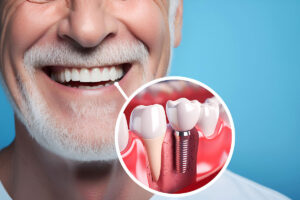
Missing teeth can affect much more than the appearance of your smile. They can change the way you chew, influence the way you speak, make certain foods more difficult to enjoy, and leave you feeling less confident in everyday situations. At KoKo Dental Care, dental implants provide a strong, natural-looking option for replacing missing teeth and rebuilding a smile that feels comfortable and complete.
Dental implants are designed to replace the foundation of a missing tooth as well as the visible portion above the gumline. Unlike a traditional removable appliance, an implant is placed in the jaw to create a stable base for a dental crown, bridge, or implant-supported denture. Because implant treatment can be adapted to replace one tooth, several teeth, or an entire arch, it is one of the most versatile options available for modern tooth replacement.
Every smile is different, which means every dental implant treatment plan should be different too. At KoKo Dental Care in Waltham, MA, implant care begins with a thorough evaluation of your teeth, gums, bite, bone structure, oral health, and personal goals. Our goal is to help you understand your options clearly so you can make an informed decision about your smile.
What Are Dental Implants?
A dental implant is a small post that is placed into the jawbone in the area where a natural tooth root is missing. Once the implant has integrated with the surrounding bone, it can provide support for a custom-made dental restoration.
Depending on your needs, dental implants may support:
- A single dental crown for one missing tooth
- An implant-supported bridge for several missing teeth
- Snap-in dentures for increased denture stability
- A fixed full-arch restoration for extensive tooth loss
- All-on-X or All-on-4 implant treatment when appropriate
The implant itself is positioned below the gumline, so the part people see is the restoration attached to it. This allows the final result to be designed with your facial appearance, bite, surrounding teeth, and smile goals in mind.
Why Replace a Missing Tooth?
It can be tempting to ignore a missing tooth, especially if the space is toward the back of the mouth. However, each tooth contributes to the balance and function of your bite. When a tooth is lost, nearby teeth may gradually shift toward the open space. The opposing tooth may also begin moving because it no longer has normal contact during chewing.
Missing teeth can also reduce the amount of stimulation delivered to the jawbone in that area. Natural tooth roots transfer chewing forces into the bone. Dental implants are unique among tooth replacement options because they are positioned within the jaw and can provide support from below the gumline.
Replacing missing teeth can help restore chewing function, support a balanced bite, improve the appearance of the smile, and make it easier to speak and socialize with confidence.
The Dental Implant Process
Dental implant treatment usually begins with a comprehensive consultation. During this visit, the dental team evaluates the area where teeth are missing and reviews the condition of the surrounding gums and bone. Digital imaging may be used to understand the three-dimensional structure of the jaw and assist with careful treatment planning.
If an implant is appropriate, the implant post is strategically placed in the jawbone. The area is then given time to heal so the implant can become stable within the bone. Healing time varies from person to person and depends on factors such as the location of the implant, bone quality, overall health, and whether additional procedures are needed.
After the implant is ready to support a restoration, an abutment and custom prosthetic tooth or teeth can be attached. The final restoration is designed to complement the appearance of the surrounding smile while creating a comfortable bite.
Some patients require additional care before implant placement. This could include treatment for gum disease, removal of damaged teeth, or bone grafting when additional bone support is necessary. These recommendations are made on an individual basis after a complete evaluation.
Benefits of Dental Implants
- Natural-looking results: Implant restorations can be shaped and shaded to complement the rest of your smile.
- Strong support: Dental implants provide a stable foundation for crowns, bridges, and different types of dentures.
- Improved chewing: Replacing missing teeth can make it easier to enjoy a more varied diet comfortably.
- Better confidence: A complete-looking smile can help patients feel more comfortable when speaking, laughing, and taking photos.
- No need to rely on neighboring teeth: A single dental implant can often replace a missing tooth without requiring adjacent healthy teeth to support the restoration.
- Versatile treatment: Implants can be used for a single missing tooth, several teeth, or an entire dental arch.
- Support for dentures: Dental implants can be used to stabilize removable dentures and reduce unwanted movement.
- Long-term tooth replacement: With appropriate home care and regular professional maintenance, implants are designed to serve as a durable restorative option.
Who May Be a Candidate for Dental Implants?
Many adults who have lost one or more teeth can be evaluated for dental implant treatment. Ideal candidates generally need healthy gum tissue, adequate bone support, and the ability to heal normally after treatment.
Not having enough bone does not automatically mean dental implants are impossible. In some situations, bone grafting or another preparatory procedure may create a stronger foundation for treatment. Similarly, patients with gum disease may first need periodontal care to establish a healthier environment around a future implant.
Your medical history, medications, tobacco use, oral hygiene, and previous dental treatment may also influence planning. The purpose of an implant consultation is not simply to determine whether implants can be placed. It is to determine which treatment approach offers the best balance of function, comfort, appearance, maintenance, and long-term oral health for your individual situation.
Dental Implants for One Missing Tooth
When a single tooth is missing, one implant can often be used to support an individual dental crown. This approach replaces the missing tooth without requiring a traditional bridge supported by the teeth on either side of the gap.
A single implant restoration is carefully planned so the new tooth fits naturally within the bite and complements the neighboring teeth. This can be especially important in visible areas of the smile where tooth shape, proportions, and color all contribute to the final appearance.
Dental Implants for Multiple Missing Teeth
Patients missing several teeth may not require an individual implant for every missing tooth. In many cases, strategically positioned implants can support a bridge that replaces multiple teeth at once.
Implant-supported bridges may provide greater stability than removable partial dentures while avoiding the need to use natural teeth as the only source of support. The number and position of implants needed will depend on the location of the missing teeth, the condition of the jawbone, and the forces created by the patient’s bite.
Dental Implants for Full-Arch Tooth Replacement
Dental implants can also support solutions for patients who have lost, or are preparing to replace, most or all teeth in an arch. Options may include snap-in dentures, All-on-4 implant treatment, All-on-X treatment, or another implant-supported restoration.
Some options remain removable so the patient can take the appliance out for cleaning. Other restorations are designed to remain fixed in place and are typically removed only by a dental professional when necessary. Understanding these differences is an important part of treatment planning because comfort, maintenance, cost, anatomy, and lifestyle preferences can all influence the best choice.
What Is Recovery Like After Dental Implant Placement?
After implant placement, temporary tenderness, swelling, or sensitivity around the treatment area can occur. Patients are usually given specific instructions about oral hygiene, diet, medication, and activities during the early healing period.
Soft foods may be recommended initially so unnecessary pressure is not placed on the area. Keeping the mouth clean is also important, although brushing techniques around the surgical site may temporarily differ from a normal routine.
Follow-up appointments allow the dental team to monitor healing and make sure treatment is progressing appropriately. Patients should always follow the individualized recovery instructions provided for their procedure.
Caring for Dental Implants
Dental implants cannot develop cavities in the same way natural tooth enamel can, but the gum tissue and bone surrounding an implant still require excellent care. Plaque can accumulate around implant restorations, which makes consistent brushing, flossing, professional cleanings, and dental examinations important.
Depending on the restoration, specialized floss, interdental brushes, water flossers, or other cleaning tools may be recommended. Patients with full-arch implant restorations may need a different cleaning routine than someone with a single implant crown.
Regular dental visits also allow the team to evaluate the implant restoration, surrounding gum tissue, bite, and overall oral health.
Why Choose KoKo Dental Care for Dental Implants in Waltham?
Implant dentistry involves both detailed planning and personalized restorative care. At KoKo Dental Care, the focus is on helping patients understand their choices and creating a treatment plan designed around their individual needs.
Modern dental imaging can provide detailed information about the teeth, bone, and surrounding structures, helping the dental team plan implant treatment carefully. Just as importantly, patients have an opportunity to ask questions about the procedure, anticipated timeline, restoration options, maintenance requirements, and financial considerations before moving forward.
Whether you are replacing one missing tooth or exploring options for extensive tooth loss, the goal is to create a solution that supports comfortable function and a smile you feel confident sharing.
Restore Your Smile With Dental Implants in Waltham, MA
You do not have to let missing teeth determine what you eat, how you smile, or how confident you feel when speaking with others. Dental implants can provide a stable, natural-looking foundation for replacing one tooth, several teeth, or an entire arch. A personalized consultation is the best way to understand which option may fit your oral health and goals. To take the next step toward rebuilding your smile, call KoKo Dental Care in Waltham, MA at (781) 810-4661 to request your dental implant consultation.
-
How long can dental implants last?
Dental implants are designed as a long-term tooth replacement option. Their longevity depends on oral hygiene, gum health, bite forces, lifestyle habits, regular dental care, and overall health. The restoration attached to an implant may require maintenance or replacement over time even when the implant itself remains healthy.
-
Does getting a dental implant hurt?
The area is numbed during implant placement to help keep the procedure comfortable. Some tenderness or swelling may occur during recovery. The experience varies according to the number of implants placed and whether additional procedures are performed.
-
Can dental implants replace all of my teeth?
Yes, dental implants can support full-arch tooth replacement options. These may include removable implant-supported dentures or fixed restorations such as All-on-4 or All-on-X treatment, depending on your individual needs.
-
Do I need an implant for every missing tooth?
Not necessarily. One implant may replace one tooth, while multiple implants can sometimes support a bridge or full-arch restoration that replaces several teeth.
-
What if I have been missing teeth for a long time?
You may still be able to receive dental implants. Because bone volume can change after tooth loss, imaging is important for evaluating the available support. Bone grafting may be discussed when additional support is needed.
-
Are dental implants removable?
The implant post itself is not removable by the patient. However, the restoration attached to implants may be fixed or removable depending on the treatment selected. Snap-in dentures, for example, are designed to be removed by the patient, while many implant bridges remain in place.
More Questions?
If you have more questions about dental implants, please contact our office and we will be happy to discuss further.