Root Canal Treatment in Waltham, MA: Saving Your Natural Tooth With Gentle Care
Does hearing the phrase root canal make you feel nervous? You are not alone, but modern dentistry has changed the way patients experience this treatment. At KoKo Dental Care, root canal treatment in Waltham, MA is designed to relieve discomfort, treat infection, and help save a natural tooth whenever possible.
Root canal treatment is often misunderstood. Many patients think it causes pain, but the goal is actually to remove the source of pain. When the inside of a tooth becomes infected or inflamed, a root canal can clean the inner space, seal the tooth, and allow it to be restored. In addition, saving a natural tooth can help protect chewing function and bite balance.
Why a Tooth May Need Root Canal Treatment
Inside each tooth is soft tissue called pulp. This tissue contains nerves, blood vessels, and connective tissue. When the pulp is healthy, it helps the tooth develop. However, once a mature tooth is fully formed, it can often continue functioning without the pulp if the inside is properly cleaned and sealed.
The pulp can become inflamed or infected because of deep decay, a crack, trauma, repeated dental treatment, or a large filling that weakens the tooth. When this happens, patients may notice lingering sensitivity, throbbing pain, swelling, tenderness when biting, or a darkened tooth. However, some infected teeth cause few symptoms at first. Therefore, dental exams and X-rays are important for identifying problems before they worsen.
Signs You May Need Root Canal Treatment
Not every toothache means you need root canal treatment, but certain symptoms should be checked promptly. Lingering sensitivity to hot or cold, pain that wakes you at night, swelling near the gums, a pimple-like bump on the gum tissue, or pain when chewing can all suggest an inner tooth problem. In addition, a tooth that was injured may need evaluation even if it does not hurt right away.
If you notice these symptoms, calling the dentist early is important. Waiting may allow infection to spread or damage more tooth structure. Meanwhile, early care may provide more treatment options. Root canal treatment can often stop the infection, relieve discomfort, and help avoid extraction.
What Happens During Root Canal Treatment?
Root canal treatment begins with a careful diagnosis. The dentist examines the tooth, reviews symptoms, and may take X-rays to see the root area. Once root canal treatment is recommended, the tooth is numbed for comfort. Then, the dentist creates a small opening to access the inner chamber of the tooth.
The infected or inflamed pulp is removed from inside the tooth and root canals. Next, the canals are cleaned, shaped, and disinfected. After that, the space is filled and sealed to reduce the risk of reinfection. In many cases, a temporary filling is placed until the tooth can receive a permanent restoration.
After root canal treatment, a crown is often recommended, especially for back teeth. This is because the tooth may be weaker after infection, decay, or large fillings. A crown helps protect the remaining tooth structure and restore chewing strength. Therefore, root canal treatment and a crown often work together to preserve the tooth long term.
Benefits of Root Canal Treatment
- Pain relief: Root canal treatment removes infected or inflamed tissue that may be causing tooth discomfort.
- Tooth preservation: The procedure can help save a natural tooth that might otherwise need extraction.
- Improved chewing function: Once restored, the treated tooth can continue helping you bite and chew.
- Bite stability: Saving the tooth helps maintain spacing and reduces the chance of neighboring teeth shifting.
- Infection control: Cleaning and sealing the inner tooth helps address the source of infection.
- Natural appearance: With the right restoration, the treated tooth can blend with the rest of your smile.
- Less need for tooth replacement: Preserving the tooth may help avoid the added steps of bridges, dentures, or implants.
In addition, root canal treatment can provide peace of mind. Once the infected tissue is removed and the tooth is restored, many patients feel relieved to keep their natural tooth. As a result, the treatment can be an important part of both emergency care and long-term restorative dentistry.
Is Root Canal Treatment Painful?
Root canal treatment has a reputation that does not match most modern experiences. In many cases, the tooth already hurts because the pulp is inflamed or infected. The procedure is performed with local anesthesia to help keep the area numb. As a result, many patients describe the visit as similar to getting a filling, although the appointment may take longer.
Some soreness after treatment is normal, especially if the tooth was painful beforehand. However, this discomfort is usually temporary and can often be managed with instructions from the dental team. If pain worsens or swelling develops after treatment, you should contact the office so the tooth can be evaluated.
Root Canal Treatment vs. Tooth Extraction
When a tooth is severely infected, some patients wonder whether extraction would be easier. In certain cases, removing a tooth may be necessary. However, when a tooth can be saved predictably, root canal treatment is often preferred because it preserves the natural tooth structure.
Extraction creates a space that may need to be replaced with an implant, bridge, or denture to restore chewing and prevent shifting. Although tooth replacement options can be excellent, they add more steps. By saving the natural tooth, root canal treatment may help maintain your bite and reduce the need for additional restorative procedures.
What to Expect After Root Canal Treatment
After root canal treatment, follow the instructions provided by your dental team. You may be advised to avoid chewing on the treated tooth until it has been fully restored. This is especially important if a temporary filling is in place. In addition, keeping the area clean with gentle brushing and flossing supports healing.
If a crown is recommended, scheduling that visit is important. A tooth that has had root canal treatment may be more vulnerable to fracture if it is not protected. Once the final restoration is placed, the dentist will check your bite and make adjustments if needed. Then, the tooth can return to normal function in most cases.
How to Reduce the Risk of Future Root Canal Needs
Not every root canal need can be prevented, especially when trauma or cracks are involved. However, strong preventive care can reduce many risks. Brush twice daily, clean between teeth every day, and keep regular dental checkups. In addition, treat cavities early, wear a mouth guard if you grind your teeth, and use a sports mouth guard during contact activities.
Pay attention to warning signs, too. A tooth that is sensitive for more than a few seconds, hurts when biting, or feels different from surrounding teeth should be checked. Early treatment can sometimes prevent the problem from reaching the pulp. Meanwhile, if root canal treatment is needed, prompt care can help save the tooth.
Root Canal Treatment in Waltham With KoKo Dental Care
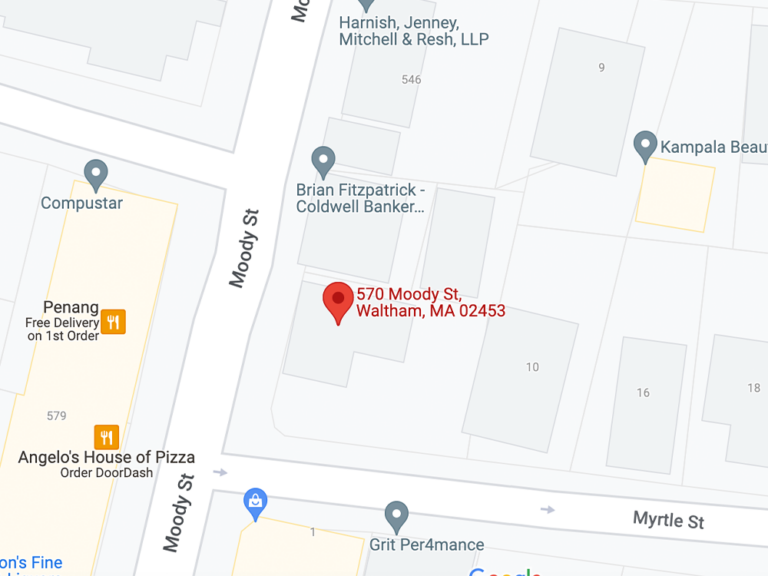
KoKo Dental Care provides root canal treatment in Waltham, MA for patients who need relief from tooth infection or deep inflammation. The office is located at 570 Moody St #2, making care accessible for patients in Waltham and nearby communities. In addition, the team focuses on explaining treatment clearly so patients know what to expect.
If you have tooth pain, swelling, or sensitivity that does not go away, it is better to call sooner rather than wait. A careful exam can determine whether root canal treatment, a filling, a crown, or another service is the right solution.
Protect Your Natural Tooth
Root canal treatment can help relieve discomfort, treat infection, and preserve your natural smile. With gentle care and the right restoration, many treated teeth continue functioning comfortably.
Contact KoKo Dental Care in Waltham, MA at (781) 810-4661 to Schedule a Consultation for root canal treatment and get help for tooth pain or infection.